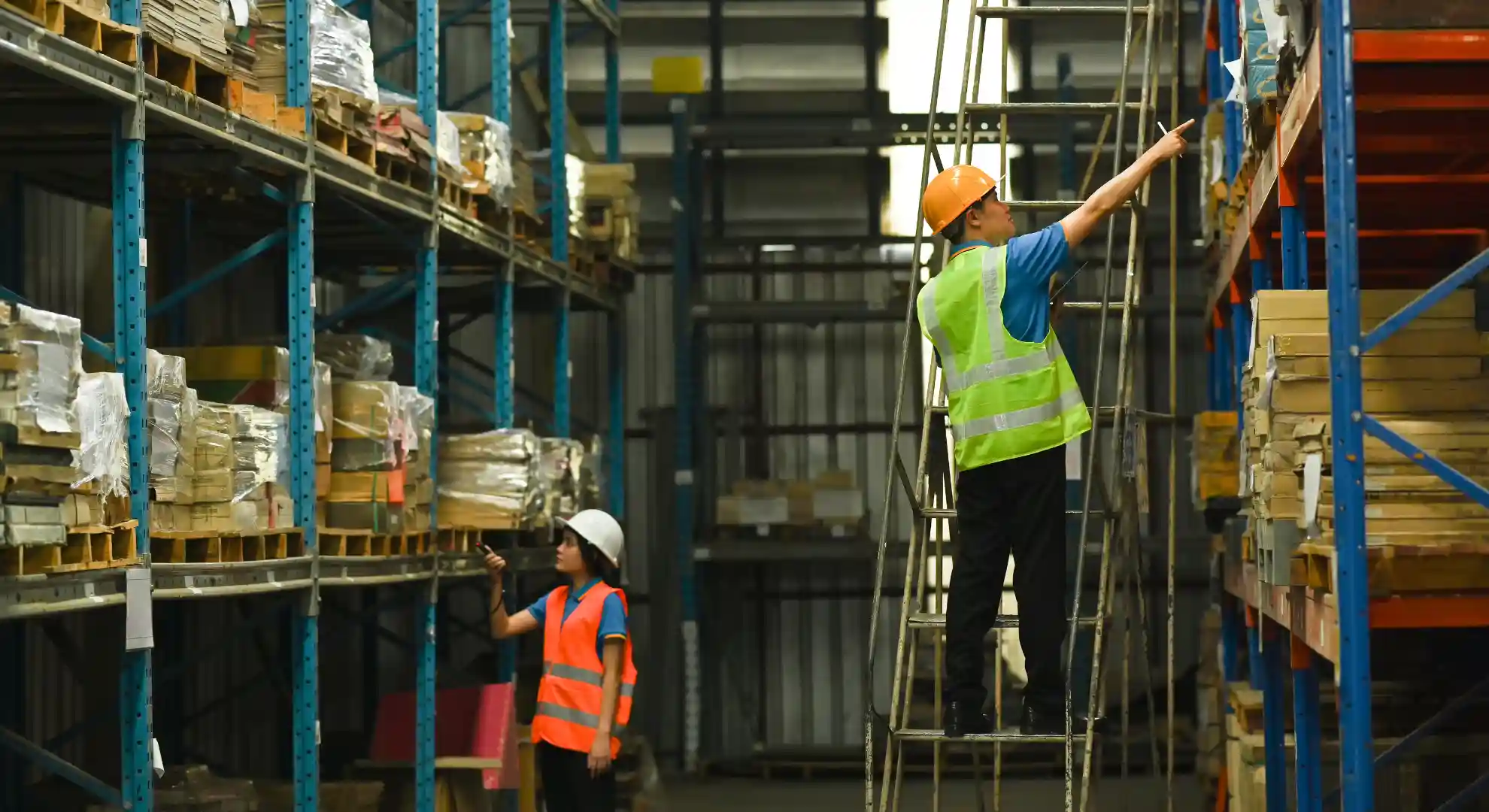
In the complex world of global trade, many businesses make the mistake of viewing warehousing as a passive cost—a mere “room for boxes.” However, in a professional Integrated Logistics framework, the warehouse is actually the “Brain” of the operation. It is the critical junction where supply meets demand.
At OTIL Logistics, with over 20 years of experience managing diverse cargo from Automotive parts to Agro-commodities, we understand that a warehouse’s efficiency determines the success of the entire supply chain. Here is why warehousing plays a non-negotiable role in modern logistics.
1. Inventory Centralization and Efficiency
A warehouse is like a spot that connects the people who make things to the people who buy things. When a business keeps all its stuff in one place it can make sure that things keep moving smoothly when the people who make things are not making as much. This means that the business is always ready to sell things to people, which reduces the chance that they will run out of things to sell and lose money because of it. The warehouse helps the business stay Market Ready. This is important, for businesses because it means they can always sell things to people who want to buy them so they do not lose sales.
2. Value-Added Services (The 3PL Advantage)
Modern warehousing is no longer just about storage. It is about Processing. Professional 3PL providers like OTIL offer value-added services such as:
- Kitting & Assembly: Preparing final products from components.
- Labelling & Packaging: Customizing goods for specific markets or retailers.
- Quality Control: Inspecting goods at the warehouse level before they reach the final customer. These services significantly reduce the lead time and overall operational costs for the client.
3. Economic Order Quantity & Cost Optimization
Warehousing allows businesses to take advantage of Economies of Scale. When companies store a lot of goods together they can save money on transportation. This is because they do not have to send a lot of shipments that cost a lot of money. A good warehouse helps companies send all their goods in one shipment, which is called a Full Truckload or FTL movement and this is cheaper. Companies, like Full Truckload movements because they save money on transportation costs. Full Truckload movements are a way for companies to reduce their costs.
4. Risk Mitigation & Product Safety
A warehouse is a controlled environment designed to protect a business’s most valuable assets.
- Environmental Control: Protecting sensitive goods from weather and moisture.
- Security: Using Smart Tracking and Surveillance to prevent theft and loss.
- Safety Protocols: Ensuring that hazardous or fragile materials are handled with specialized care, a pillar of our Sound Business Ethics at OTIL.
5. Enhancing Customer Satisfaction (The Speed Factor)
In 2026 the Amazon Effect is very important. It has made speed the valuable thing. We have warehouses in locations like our network that connects big cities and small towns. This helps us deliver things to people faster which is called Last-Mile delivery. When the things you want to sell are close to the people who want to buy them it is faster and cheaper to get them to those people. The Amazon Effect is about speed so having warehouses, near people is a good idea.
Conclusion: The Pulse of Your Supply Chain
Warehousing is the silent engine that powers business growth. It provides the stability, flexibility, and security required to navigate the volatile Indian market.At OTIL Logistics, we don’t just offer space; we offer Integrated End-to-End Solutions. Our ISO 9001:2000 certified facilities are designed to optimize your throughput, protect your margins, and ensure that your business is always “Taking Business Beyond Tomorrow.”