In India things are changing fast. The old way of managing supply chains is not good enough anymore. As we go into 2026 Indian logistics is seeing a change. Companies are moving away from using different transport services and are now using Integrated Logistics instead.
What is causing this change and why is the Third-Party Logistics sector expected to be really big for the next ten years? Let us take a look at what the future of logistics will be, like.
1. The Rise of “One-Roof” Solutions
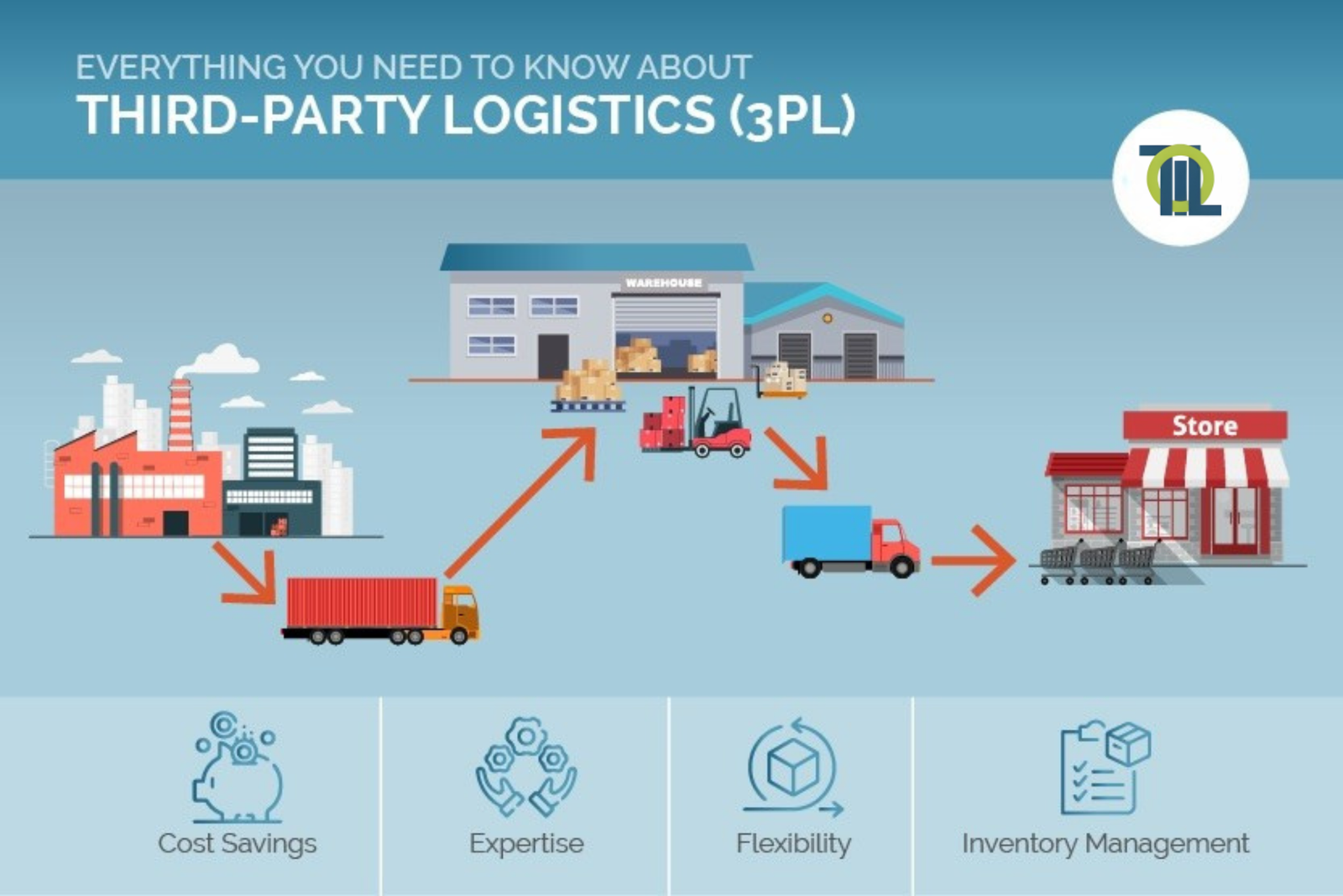
Earlier, companies had to deal with one vendor for transport, another for warehousing, and a third for last-mile delivery. This created communication gaps and increased costs. The future belongs to Integrated Logistics, where a single partner manages the entire flow.
The OTIL Edge: With over 20 years of experience, OTIL Logistics provides a seamless “One-Roof” experience. We take care of the storage and shipping of products for businesses. We do things like manage the people who supply goods. We make sure the products get from one place to another. This is what we do when it comes to managing the supply of goods. We manage the people who supply goods. We also make sure the products get to where they need to go.
2. Tech-Driven Transparency (RFID & AI)
The modern Indian consumer and B2B client demand real-time data. The future of 3PL is built on Smart Tracking. We need things like RFID and route optimization that uses Artificial Intelligence to get things done. These things are not something we can do without anymore. We have to have them to stay in business. When we work with companies that are connected to us we can see everything that is going on from start, to finish. This helps us avoid losing things. Makes sure that deliveries get to people on time even if they live in small towns that are far away.
3. Scalability Without Capital Investment
One of the biggest reasons for the shift to 3PL is financial flexibility. Building warehouses and buying fleets requires massive capital. By partnering with an established leader like OTIL Logistics, brands can scale their operations instantly across India without the burden of fixed assets. This “Plug-and-Play” model is the backbone of India’s startup and manufacturing boom.
4. Navigating Regulatory Compliance (GST & Beyond)
After the GST was put in place the way things are moved around in India has become more systematic.. It has also become more complicated because of all the rules that need to be followed. Companies that specialize in logistics like the ones that do third party logistics always know about the changes in the rules. So when you need to move things from one place to another you do not have to worry about getting into trouble with the law. The fact that OTIL has an ISO 9001:2000 certification is important because it shows that OTIL is serious, about quality and safety standards. Logistics, in India is now more organized. Logistics companies have to deal with a lot of rules.
5. Tailored Logistics for Specialized Sectors
The future isn’t just about moving boxes; it’s about specialized handling. From Automotive parts that require “Just-in-Time” delivery to Agro-commodities that need specific warehousing, integrated logistics providers are becoming industry specialists.
Conclusion: Partnering for Tomorrow
The way people do logistics is changing and it is not something that is happening now it is something that has to happen for businesses to get bigger. When companies want to have Zero Delay and Minimum Waste they really need a good third party logistics partner who knows what they are doing with integrated logistics. This is because integrated logistics helps companies to work better and have no delays and minimum waste, with the help of a seasoned third party logistics partner.
At OTIL Logistics, we have been “Taking business beyond tomorrow” for over two decades. With our vast network connecting metropolitan hubs to the heart of rural India, we are not just a service provider—we are the engine that drives your business forward.